Crafting Depth: 3D Easter Egg SVG Files
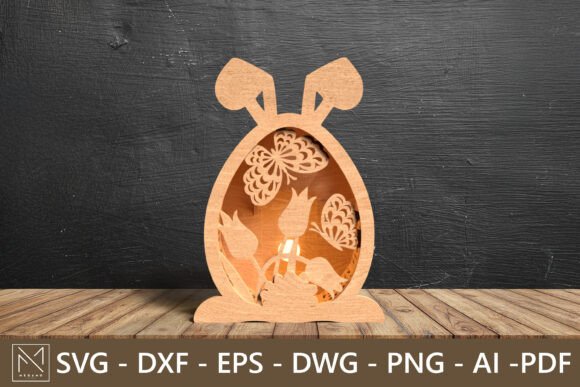
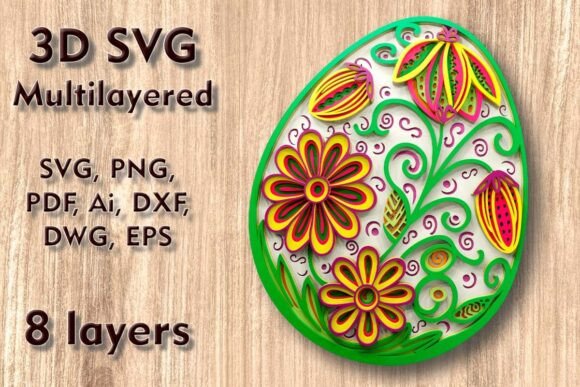
There is a distinct satisfaction in moving beyond flat, two-dimensional crafts into the realm of tactile, layered art. The Easter Egg 3D SVG Multilayer Laser Files represent this shift perfectly, offering a sophisticated approach to seasonal decor that appeals to both hobbyists and professional makers. This design is not merely a cutout; it is an engineered assembly of eight distinct layers that, when stacked, create a stunning mandala-inspired egg with genuine depth and shadow play. For designers and crafters alike, understanding how to leverage these files can transform simple materials into high-value home wall decor or intricate greeting cards.
The visual personality of this design balances geometric precision with organic fluidity. The mandala motif brings a sense of calm and symmetry, while the egg shape anchors it firmly in springtime traditions. Unlike standard clipart, this 3D multilayered SVG design requires careful consideration of material thickness and layer adhesion. The result is a piece that changes appearance depending on the viewing angle and lighting, adding a dynamic quality to static wall art. Whether you are using a Cricut, Silhouette, Glowforge, or a CNC router, the file structure is optimized to guide your machine through complex cuts without unnecessary weeding or frustration.
Material Versatility and Technical Precision
One of the strongest assets of the Easter Egg 3D SVG Multilayer Laser Cutting Files is its adaptability across various substrates. The design is sized at 250 x 200 mm (9.8 x 7.9 inches), a dimension that serves as an ideal starting point for most desktop laser cutters and cutting plotters. However, the true value lies in the scalability. You can easily increase the size for larger statement pieces, but caution is advised when reducing the design. Because the artwork consists of eight separate layers with intricate details, shrinking the file too much can compromise the structural integrity of thin elements, leading to breakage during weeding or assembly.
The recommended materials include plywood, paper, cardstock, MDF, wood, acrylic, cardboard, and even aluminum. Each material offers a different aesthetic outcome. Plywood and MDF provide a rustic, warm tone that highlights the natural grain, making them perfect for permanent home decor. Paper and cardstock allow for delicate, colorful interpretations suitable for greeting cards or gift tags. Acrylic offers a modern, glossy finish that catches light beautifully, while aluminum introduces an industrial chic vibe. When working with these materials, always test cut a single layer first to determine the optimal power and speed settings for your specific machine.
Upon purchase, you receive a comprehensive ZIP folder containing multiple file formats: SVG, layered SVG files, DXF, DWG, EPS, AI, PNG, and PDF. This variety ensures compatibility with nearly every design software and cutting machine on the market. The layered SVG files are particularly valuable, as they preserve the separation of the eight layers, allowing you to assign different colors or materials to each level directly within your design software. This eliminates the need for manual separation and streamlines the workflow from digital file to physical object.
Elevating Brand Identity and Creative Projects
While often viewed through the lens of personal crafting, these files hold significant potential for small business owners and creative professionals. In the context of brand identity and marketing, tangible, high-quality items create lasting impressions. A custom-made 3D Easter egg display in a retail window or a boutique hotel lobby signals attention to detail and artistic flair. It moves beyond generic seasonal decorations to become a unique brand asset.
For publishers and content creators, incorporating such designs into editorial layouts or social media graphics can enhance visual engagement. The intricate layers provide excellent texture for background elements in web design or packaging design. When photographed correctly, the shadows cast by the layers add depth to flat images, making them stand out in crowded social feeds. This is particularly effective for businesses selling handmade goods, where showcasing the craftsmanship process can justify premium pricing.
Consider the impact on audience engagement. A flat image is easily scrolled past, but a three-dimensional object invites closer inspection. By using the Easter Egg Mundala Svg to create interactive elements—such as a kit that customers assemble themselves—you foster a deeper connection with your audience. This participatory approach transforms passive consumers into active creators, enhancing brand loyalty and perceived value. It is a practical application of modern typography principles, where form and function intersect to create meaningful user experiences.
Practical Guidance for Assembly and Design Integration
Successfully bringing this design to life requires more than just hitting "cut." Preparation is key. Start by organizing your workspace and gathering all necessary adhesives. For paper and cardstock, acid-free glue sticks or double-sided tape work well to prevent warping. For wood and acrylic, a strong craft glue or epoxy may be necessary to ensure the layers remain bonded over time. Always dry-fit the layers before applying adhesive to check for alignment and fit.
When integrating this design into broader projects, consider color theory and contrast. Using monochromatic shades of the same material can emphasize the shadow and depth, creating a subtle, sophisticated look. Alternatively, contrasting colors between layers can highlight the mandala pattern, making it pop visually. This technique is similar to font pairing in graphic design, where contrasting elements create visual interest and hierarchy. Experiment with different combinations to find the aesthetic that best suits your project goals.
Readability and clarity are also crucial, especially if you plan to incorporate text or other graphical elements alongside the egg. Ensure that the intricate details of the mandala do not clash with other design components. Leave ample negative space around the 3D egg to let it breathe. If using the design for commercial purposes, always review the licensing terms included with the download. Most creators allow for commercial use of physical items made from their files, but restrictions may apply to digital redistribution or mass production.
Finally, document your process. Taking photos at each stage of assembly not only helps in troubleshooting but also provides valuable content for your portfolio or social media channels. Showcasing the transformation from a digital design asset to a physical masterpiece demonstrates your skill and creativity. It reinforces your position as a knowledgeable creator who understands both the technical and artistic aspects of modern crafting. By mastering tools like the Easter Egg 3D SVG Multilayer Laser Files, you expand your creative toolkit, enabling you to tackle more complex and rewarding projects in the future.