Easter Bunny Wooden Lantern - Laser Cut: A Practical Guide to DIY Spring Decor
The transition from winter to spring often inspires a shift in home aesthetics, moving away from heavy textures toward lighter, more whimsical elements. Among the various ways to introduce seasonal charm, the Easter Bunny Wooden Lantern - Laser Cut has emerged as a distinctive option for crafters and interior design enthusiasts. This project is not merely a decorative object; it represents a specific intersection of digital fabrication technology and traditional holiday symbolism. Understanding the nuances of this design helps consumers and makers determine whether it aligns with their skill levels, aesthetic goals, and functional needs.
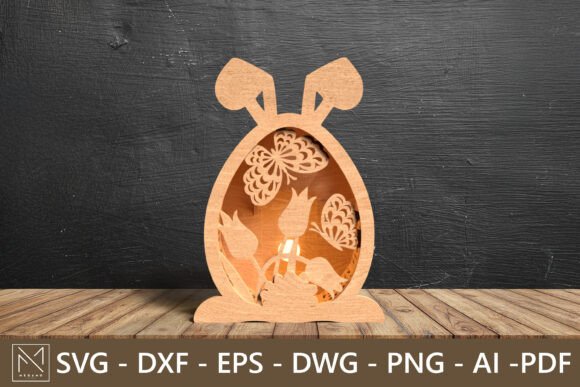
Unlike mass-produced plastic decorations that dominate retail shelves during the Easter season, a laser-cut wooden lantern offers a tactile, organic quality. The design typically features intricate details such as tulips, butterflies, and grass, which are not just surface prints but structural components of the piece. When assembled, these layers create depth, allowing light to cast complex shadows that enhance the ambiance of a room. For those evaluating DIY projects versus ready-made decor, this lantern serves as an excellent case study in value creation through personal effort and material selection.
Design Mechanics and Aesthetic Appeal
The core appeal of the Adorable Bunny-Eared Egg Lantern lies in its three-dimensional construction. Most flat decorations lack the ability to interact with light dynamically. In contrast, this lantern is engineered with multiple layers that slot together. The precision of laser cutting allows for fine details that would be nearly impossible to achieve with manual sawing or standard crafting tools. The silhouette of the bunny ears combined with the egg shape creates an instantly recognizable Easter motif, while the inclusion of natural elements like flora and fauna adds a layer of sophistication suitable for adult-centric decor.
When illuminated, the lantern transforms. Whether using a traditional candle or a modern LED tealight, the light filters through the cut-outs, projecting patterns of butterflies and tulips onto surrounding surfaces. This effect is particularly effective in low-light settings, such as evening dinner tables or cozy reading nooks. The "magical glow" described by many users is a direct result of the material’s opacity and the density of the cut patterns. Thicker materials block more light, creating sharper contrasts, while thinner materials allow for a softer, more diffused illumination.
Material Selection: Tradeoffs and Considerations
One of the most significant advantages of purchasing a digital file for an Easter Bunny Wooden Lantern - Laser Cut is the flexibility in material choice. However, each material brings distinct tradeoffs that affect the final outcome, durability, and ease of assembly.
- Wood: Plywood, basswood, or birch are popular choices for their natural grain and warmth. Wood provides a rustic, high-end look that ages well. However, it requires careful handling to avoid splinters during assembly and may need sanding or sealing if used outdoors or in humid environments.
- Acrylic: For a modern, sleek appearance, acrylic offers vibrant color options and translucency. It is durable and easy to clean, making it suitable for high-traffic areas or commercial spaces like cafés. The downside is that acrylic can be brittle during the weeding process (removing excess material) and may show fingerprints easily.
- MDF (Medium-Density Fiberboard): This is a cost-effective alternative to solid wood. It cuts cleanly and paints well, allowing for complete customization of color. However, MDF lacks the natural beauty of wood grain and is heavier, which may require a sturdier base if the lantern is large.
- Cardstock: Ideal for quick, low-cost prototypes or temporary decorations. Cardstock is easy to cut and assemble, even without a laser cutter (using a craft knife), but it lacks durability and fire resistance, limiting its use to LED lights only.
Choosing the right material depends largely on the intended use. For a heirloom-quality piece, wood is superior. For a bright, playful addition to a child’s room, painted MDF or colorful acrylic might be more appropriate.
Comparison with Alternative Decor Options
When deciding between creating a Easter Bunny Wooden Lantern - Laser Cut and buying pre-made decor, several factors come into play. Mass-produced ceramic or resin lanterns offer convenience and uniformity. They are ready to use out of the box and often come with integrated lighting systems. However, they lack personalization. You cannot change the color, size, or material to match your specific interior palette.
Conversely, traditional paper crafts, such as origami or cardstock lanterns, are inexpensive and accessible. Yet, they often lack the structural integrity and professional finish of laser-cut designs. Paper can warp over time, especially in humid conditions, and does not offer the same premium feel as wood or acrylic. The laser-cut approach sits in a "sweet spot," offering the customization of handmade goods with the precision and durability of manufactured items.
Furthermore, compared to other DIY kits that require gluing, the slot-together design of many laser-cut files reduces the need for adhesives. This makes the assembly process cleaner and more reversible, which is a significant benefit for those who like to update their decor seasonally without damaging components.
Technical Requirements and Compatibility
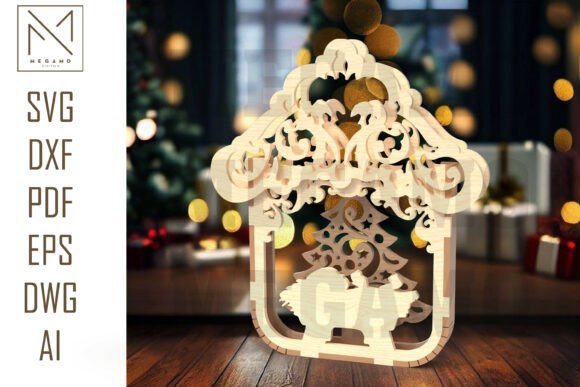
For those interested in crafting this item, understanding the technical requirements is crucial. The downloadable files typically come in formats such as SVG, DXF, EPS, DWG, PNG, AI, and PDF. This broad compatibility ensures that users with various machines can access the design. Owners of desktop laser cutters like Glowforge, K40, or xTool will find these files ready to import. Additionally, users with electronic cutting machines like Cricut or Silhouette can use the SVG or DXF files, though they may need to adjust settings for thicker materials.
It is important to note that while the design is optimized for laser cutting, adjustments may be necessary based on the specific kerf (the width of the cut) of your machine. Experienced crafters know that testing fit on a small sample piece is a best practice before cutting the entire design. This step ensures that the slots align perfectly, resulting in a sturdy 3D structure without gaps or excessive tightness.
Ideal Use Cases and Limitations
The Easter Bunny Wooden Lantern - Laser Cut is versatile, but it is not universally suitable for every scenario. It excels in the following contexts:
- Home Decor: As a centerpiece for Easter brunches or as part of a mantel display. The warm glow complements spring floral arrangements.
- Gift Giving: A handmade lantern demonstrates effort and thoughtfulness. It can be personalized with paint or stains to match the recipient’s taste, making it a unique gift for family and friends.
- Commercial Ambiance: Cafés, boutiques, and event spaces can use these lanterns to create a festive atmosphere without the clutter of disposable decorations. Their durability allows for reuse year after year.
However, there are limitations. If you are looking for a large-scale outdoor installation, wood may require extensive weatherproofing, and acrylic may become brittle in freezing temperatures. Additionally, if you do not have access to a laser cutter or a compatible cutting machine, the barrier to entry is higher than buying a finished product. While some files can be adapted for hand-cutting, the intricate details of butterflies and grass make this impractical for manual execution.
Making the Decision
Ultimately, choosing to create an Easter Bunny Wooden Lantern - Laser Cut is about valuing the process as much as the result. It appeals to individuals who enjoy the satisfaction of building something tangible and who appreciate the interplay of light and shadow in their living spaces. For those who prioritize convenience above all else, a store-bought alternative may be preferable. But for DIY enthusiasts, educators, and design-conscious consumers, this project offers a rewarding blend of creativity, technical engagement, and seasonal charm.
Before starting, ensure you have the necessary tools and materials. Download the files, review the instructions, and select a material that fits your aesthetic vision. With careful assembly and the right light source, this lantern can become a cherished part of your spring traditions, casting a magical glow that celebrates the renewal of the season.