Crafting Depth: A Practical Guide to Eagle 3D SVG Multilayer Paper Cut Files for Wall Art
Creating dimensional wall art has evolved from a niche hobby into a popular home decor trend, driven largely by the accessibility of digital cutting machines. Among the myriad of designs available, the Eagle 3D SVG Multilayer Paper Cut Files stand out as a compelling option for crafters seeking to combine precision engineering with artistic expression. This specific design, often referred to as the Eagle Mundala Svg, offers a structured approach to creating shadow box art that balances complexity with achievability.
For adults aged 20 to 50 who are evaluating resources for their next crafting project, understanding the technical specifications and material requirements is crucial. This article explores the distinct features of this seven-layer design, compares it to alternative crafting methods, and provides practical advice on when this file format is the right choice for your workspace.
Understanding the Design Structure and Specifications
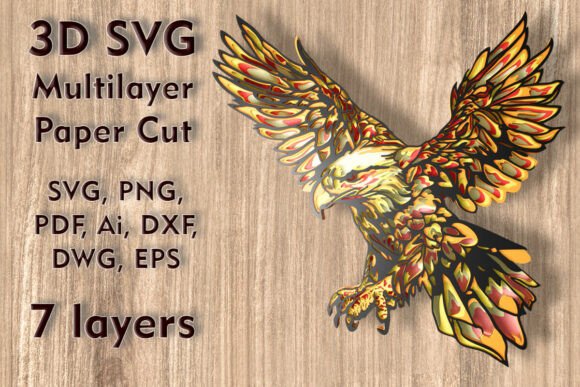
The core appeal of the Eagle 3D SVG Multilayer Paper Cut Files lies in its layered architecture. The design consists of seven separate layers, each contributing to the final three-dimensional effect. When assembled, these layers create depth, shadow, and perspective, transforming a flat surface into a dynamic visual piece. The standard size for this template is 300 x 300 mm (11.8 x 11.8 inches), which is an ideal dimension for standard shadow boxes and medium-sized wall displays.
One critical aspect to consider is scalability. While the file size can be easily increased to fit larger frames, reducing the design requires caution. The intricate details, particularly in the eagle’s feathers and the surrounding mandala elements, involve thin cut lines. If scaled down significantly, these delicate elements may become too fragile to handle or may tear during the weeding process. Therefore, this design is best suited for projects where the final output remains close to the original dimensions or is scaled up.
Material Versatility: Beyond Paper
A common misconception about paper cut files is that they are limited to cardstock. However, the Eagle 3D SVG Multilayer Paper Cut Files are engineered for versatility. The provided ZIP folder includes formats compatible with a wide range of materials, including:
- Paper and Cardstock: Ideal for beginners and those using blade-based machines like Cricut or Silhouette. High-quality acid-free cardstock ensures longevity and color vibrancy.
- Plywood and Wood: Suitable for laser cutters such as Glowforge. Thin plywood (typically 3mm) adds a rustic, durable quality to the artwork, making it suitable for high-traffic areas.
- MDF and Acrylic: These materials offer a modern, sleek finish. Acrylic, in particular, can create interesting light-refracting effects when layered.
- Cardboard and Aluminum: For experimental textures and industrial aesthetics.
This material flexibility allows crafters to tailor the final product to their interior design style. A paper version might suit a soft, nursery aesthetic, while a plywood version could complement a modern living room or office space.
Compatibility and File Formats
When investing in digital assets, file compatibility is a primary decision factor. Upon purchase, users receive a comprehensive ZIP folder containing multiple file formats: SVG, layered SVG, DXF, DWG, EPS, AI, PNG, and PDF. This breadth of options ensures that the Eagle 3D SVG Multilayer Paper Cut Files can be used across various platforms and machines.
For users of Cricut Design Space or Silhouette Studio, the SVG and layered SVG files are the most straightforward options. They preserve the vector paths necessary for clean cuts. Laser cutter users, such as those with Glowforge or xTool machines, will benefit from the DXF and AI files, which allow for precise control over cut lines and engraving settings. CNC router users can utilize the DWG files for industrial-grade precision. This multi-format approach eliminates the need for third-party conversion tools, reducing the risk of data loss or path errors.
Comparing 3D Layered SVGs to Alternative Decor Methods
To determine if this design is the right fit, it is helpful to compare it with other popular home decor crafting approaches.
Vinyl Decals vs. Layered Paper Art
Vinyl decals are a popular alternative for wall decoration due to their ease of application. However, they lack the physical depth and tactile quality of the Eagle 3D SVG Multilayer Paper Cut Files. Vinyl sits flat against the wall, whereas the seven-layer eagle design creates genuine shadows and dimensionality. For those seeking a statement piece that draws the eye through depth rather than just color, the layered approach is superior.
Traditional Framed Prints vs. Shadow Boxes
Traditional prints are cost-effective and easy to source but offer little customization. Creating a custom shadow box using this SVG file allows for complete control over color palettes and material textures. While the time investment is higher, the result is a unique, handcrafted item that cannot be replicated by mass-produced prints.
Single-Layer Cutouts vs. Multilayer Designs
Single-layer cutouts are quicker to assemble and require fewer materials. However, they often appear flat and lack visual interest from different angles. The seven-layer structure of the Eagle Mundala Svg provides a complex interplay of light and shadow that changes as the viewer moves, offering a more engaging visual experience.
Practical Considerations and Tradeoffs
While the Eagle 3D SVG Multilayer Paper Cut Files offer significant creative potential, there are tradeoffs to consider.
Time and Patience
Assembling seven layers requires precision. Each layer must be aligned correctly to maintain the integrity of the design. This process can be time-consuming, especially for beginners. Using alignment tabs or registration marks, if included in the design, can mitigate this challenge. Additionally, weeding intricate cuts from materials like plywood or thin cardstock demands a steady hand and appropriate tools.
Cost of Materials
Compared to a simple print, the cost of materials for a seven-layer shadow box can add up. High-quality cardstock, plywood sheets, or acrylic panels are more expensive than paper. Furthermore, the need for a deep-frame shadow box to accommodate the layers is an additional expense. Crafters should budget for both the raw materials and the framing hardware.
Machine Requirements
This design is not suitable for manual cutting unless one possesses exceptional skill and patience. It requires a digital cutting machine (Cricut, Silhouette) or a laser/CNC system. Users without access to these tools may find the barrier to entry too high, making pre-made decor a more practical alternative.
When Is This Design the Right Choice?
The Eagle 3D SVG Multilayer Paper Cut Files are an excellent choice for:
- Experienced Crafters: Those comfortable with multi-step assembly and fine detail work.
- Gift Givers: Looking for a personalized, high-effort gift that demonstrates care and skill.
- Home Decor Enthusiasts: Who want unique, conversation-starting pieces that reflect their personal style.
- Laser Cutter Owners: Who want to maximize the utility of their machine with intricate, layered designs.
Conversely, this design may not be suitable for:
- Beginners: Who are still mastering basic cutting and weeding techniques.
- Quick Projects: If you need a decor item completed in under an hour, a single-layer design or vinyl decal is more appropriate.
- Budget-Conscious Crafters: Who prefer low-cost materials and minimal framing expenses.
Final Thoughts on Elevating Your Craft
The Eagle 3D SVG Multilayer Paper Cut Files represent a intersection of digital precision and traditional craftsmanship. By offering a versatile, seven-layer design compatible with various materials and machines, this resource empowers crafters to create professional-quality wall art. Whether you choose to work with paper, wood, or acrylic, the key to success lies in respecting the design’s limitations regarding scale and embracing the patience required for assembly.
For those willing to invest the time and materials, the result is a stunning piece of decor that transcends typical DIY projects. It serves not just as a decoration, but as a testament to the maker’s skill and attention to detail. As you evaluate your next crafting endeavor, consider whether the depth and complexity of this eagle design align with your creative goals and available resources.