Understanding the Visual Impact of Multicolor Stone Brick Wall Texture Back in Modern Design
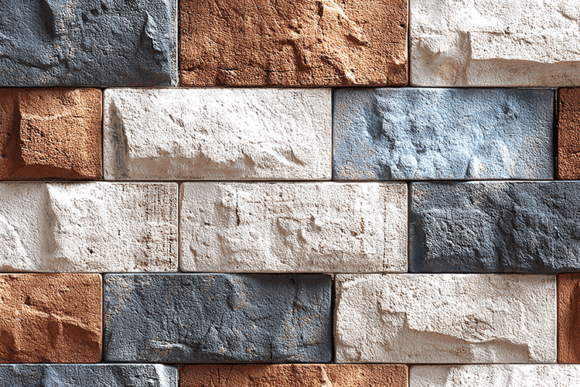
In the evolving landscape of digital and physical design, texture serves as the silent communicator of quality, depth, and authenticity. Among the myriad of surface options available to creators, the Multicolor Stone Brick Wall Texture Back has emerged as a versatile asset that bridges the gap between rustic charm and contemporary minimalism. This specific visual element is not merely a background; it is a foundational component that influences how viewers perceive space, product, and narrative within a composition. By integrating natural shades of brown, beige, gray, and blue, this texture offers a complex interplay of light and shadow that flat colors simply cannot replicate.
The demand for high-resolution assets, such as those sized at 5824 x 3264 pixels in JPG format, stems from the need for print-ready precision and digital clarity. Whether utilized in large-format architectural mockups or intricate sublimation crafts, the fidelity of the source file determines the success of the final output. This article explores the multifaceted applications, technical considerations, and aesthetic advantages of incorporating multicolor stone brick textures into various creative workflows.
The Aesthetic Psychology of Natural Stone Variations
Human beings are inherently drawn to organic patterns. The irregularity found in a multicolor stone brick wall mimics the unpredictability of nature, creating a sense of grounding and stability. Unlike uniform synthetic surfaces, stone bricks carry historical weight and tactile suggestion. The inclusion of diverse hues—ranging from warm earthy browns and beiges to cool grays and subtle blues—prevents visual monotony. These color variations allow the eye to travel across the surface, discovering new details with each glance.
For interior designers and architects, this complexity is crucial. When used in visualization projects, a Multicolor Stone Brick Wall Texture Background helps clients imagine the warmth and character of a finished space. The blue tones, often overlooked in traditional brick descriptions, add a modern twist that complements industrial chic styles, while the beige and brown elements maintain a connection to traditional masonry. This duality makes the texture adaptable to both heritage restorations and avant-garde commercial spaces.
Technical Specifications and File Integrity
To fully leverage the potential of these textures, understanding the technical specifications is essential. A resolution of 5824 x 3264 pixels provides a substantial pixel density, ensuring that the image remains sharp even when scaled for large prints. For professionals working in high-end marketing or exhibition design, this "print-ready" quality eliminates the risk of pixelation, which can undermine the perceived value of a brand.
The JPG file format, while common, requires careful handling to maintain quality. High-quality JPGs strike a balance between file size and compression artifacts. For a texture as detailed as multicolor stone, where fine grain and mortar lines are critical, using a high-quality setting during export is non-negotiable. Creators must ensure that the compression does not blur the distinct edges between the bricks or soften the nuanced color transitions. This attention to technical detail ensures that the texture retains its realism across different media, from web banners to physical posters.
Diverse Applications Across Creative Industries
The utility of a high-quality stone brick texture extends far beyond simple backdrop usage. Its adaptability allows it to serve multiple functions across various disciplines:
- Architectural Mockups and 3D Modeling: In virtual reality and 3D rendering, textures define the materiality of a structure. Applying a realistic multicolor stone map to a 3D model adds immediate credibility. It allows architects to demonstrate how light interacts with rough surfaces, providing stakeholders with a true-to-life preview of building facades or interior accent walls.
- Product Photography and Displays: E-commerce brands often seek backgrounds that enhance their products without overpowering them. A neutral yet textured stone wall provides the perfect stage for lifestyle products, such as ceramics, plants, or tech gadgets. The natural imperfections of the stone contrast beautifully with the sleekness of modern products, creating a balanced composition that draws attention to the item being sold.
- Digital Artwork and Posters: Graphic designers use these textures to add depth to flat layouts. By overlaying text or vector graphics onto a Multicolor Stone Brick Wall Texture Back, artists can create a gritty, urban aesthetic that resonates with younger demographics. The texture acts as a visual anchor, preventing designs from feeling too sterile or digital.
- Scrapbooking and Craft Designs: In the realm of physical crafts, printed stone textures are popular for scrapbook pages, card making, and decoupage. The high resolution ensures that even when printed on smaller scales, the detail remains visible, adding a professional touch to handmade items.
- Sublimation Printing: For custom merchandise, such as phone cases, mouse pads, or apparel, sublimation requires vibrant, high-definition images. The rich color palette of the stone texture translates well onto fabrics and hard surfaces, offering a durable and stylish finish that appeals to consumers looking for unique, non-repetitive patterns.
Integrating Texture into Digital Workflows
Implementing a multicolor stone brick wall texture into a design project requires more than just dragging and dropping an image file. Effective integration involves blending modes, masking, and lighting adjustments. In software like Adobe Photoshop or Illustrator, designers often use multiply or overlay blending modes to merge the texture with underlying colors or gradients. This technique allows the stone pattern to influence the tone of the entire composition without obscuring foreground elements.
Furthermore, lighting consistency is paramount. If the source photo of the brick wall has directional lighting from the left, any objects placed in front of it should cast shadows in the same direction. Ignoring this principle breaks the illusion of reality. Advanced users may also employ displacement maps to make text or logos appear as if they are painted directly onto the uneven surface of the bricks, enhancing the three-dimensional effect.
Considerations for Sustainable and Ethical Design
From a broader perspective, the use of digital textures supports sustainable design practices. By utilizing high-quality digital assets for mockups and presentations, architects and designers can reduce the need for physical prototypes. This reduction in material waste aligns with growing environmental concerns in the construction and manufacturing sectors. Additionally, digital textures allow for rapid iteration. Designers can test multiple color schemes and material combinations instantly, leading to more informed decisions before any physical resources are committed.
However, it is important to respect intellectual property rights. Using licensed, high-quality files ensures that photographers and digital artists are compensated for their work. This ethical approach supports the continued creation of premium assets that elevate the standard of design across industries.
Enhancing Brand Identity Through Textural Consistency
Brands that consistently use specific textural elements in their visual identity create stronger recognition. A company that adopts the Multicolor Stone Brick Wall Texture Background as part of its core aesthetic signals values such as durability, authenticity, and groundedness. This is particularly effective for businesses in the artisanal food sector, outdoor gear industry, or boutique hospitality services.
When customers encounter this texture repeatedly across social media posts, packaging, and website banners, it becomes associated with the brand’s personality. The natural, unrefined look of stone suggests transparency and reliability. Therefore, selecting the right texture is not just a decorative choice but a strategic branding decision. It communicates non-verbally with the audience, establishing an emotional connection before a single word is read.
In conclusion, the multicolor stone brick wall texture is a powerful tool in the designer’s arsenal. Its ability to convey depth, history, and natural beauty makes it indispensable for a wide range of applications. By understanding its technical requirements and creative potential, professionals can harness this asset to produce compelling, high-impact visuals that resonate with audiences across digital and physical platforms.