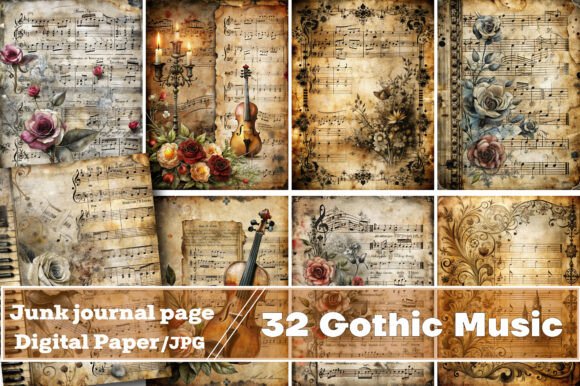
Gothic Music Junk Journal Pages: A Strategic Asset for Creative Branding and Design
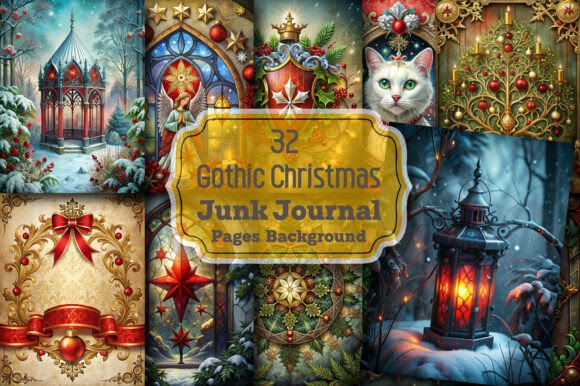
In the landscape of digital design and physical crafting, aesthetic consistency is not merely a decorative choice; it is a communication strategy. The Gothic Music Junk Journal Pages collection represents more than a set of downloadable images. It is a curated resource designed to bridge the gap between raw creative impulse and structured, usable output. For entrepreneurs, educators, and independent creators, understanding how to leverage this specific visual language can transform mundane projects into cohesive brand experiences or deeply personal artistic statements.
This high-resolution pack, offered in JPG format at 300 DPI, provides the technical foundation necessary for professional-grade results. However, its true value lies in its versatility. By integrating these graphically rich designs into your workflow, you are not just adding texture; you are invoking the essence of gothic music—a genre defined by depth, atmosphere, and emotional resonance. This article explores how to strategically deploy these assets to enhance productivity, strengthen branding, and elevate customer experience across various mediums.
Defining the Strategic Value of Atmospheric Design
Before downloading any asset, it is crucial to understand why the gothic aesthetic matters in a modern context. Gothic music and its associated visual culture are characterized by darkness, romance, and intricate detail. When applied to design, these elements create an immediate sense of intrigue and sophistication. Using Gothic Music Junk Journal Pages allows creators to tap into this established cultural lexicon without starting from scratch.
For small business owners and marketers, this translates to faster turnaround times and higher perceived value. Instead of spending hours sourcing individual elements that may not cohere, this collection offers an amalgamation of creativity and usability. The pages are pre-designed to work together, ensuring that whether you are creating a social media background or a product label, the visual tone remains consistent. This consistency is vital for building trust and recognition among your audience.
Applications in Physical Product Development
One of the most practical uses for this collection is in the creation of tangible goods. The 300 DPI resolution ensures that prints remain crisp and detailed, even on larger surfaces. Consider the following strategic applications:
- Product Packaging and Labels: Transform ordinary items into artistic masterpieces. Candle labels, cosmetic jars, or artisanal food packaging can benefit immensely from the dark, textured backgrounds found in this pack. The aesthetic suggests quality and care, allowing you to command a higher price point.
- Stationery and Paper Crafts: For those in the education or planning sector, these pages are ideal for handmade notebooks, planners, and greeting cards. The intricate designs encourage users to slow down and engage with the material, enhancing the user experience of journaling or planning.
- Event Materials: Thematic party invitations, coasters, and napkins can set the tone for an event before it begins. By using these designs, you create an immersive environment that aligns with the event’s theme, whether it is a Halloween celebration, a gothic wedding, or a literary salon.
When approaching these projects, consider the end-user’s interaction. A tumbler wrap or a sticker is not just a decoration; it is a mobile advertisement. Ensuring that the design is visually striking and thematically coherent increases the likelihood of social sharing and word-of-mouth promotion.
Digital Integration and Brand Positioning
Beyond physical products, the Gothic Music Junk Journal Pages are highly effective in digital spaces. In an era where attention spans are short, visual impact is critical. These assets can be used to create unique stationery items for digital planners, eye-catching social media backgrounds, and professional website graphics.
For bloggers and content creators, using these images as headers or background elements can help differentiate your brand from competitors who rely on generic stock photography. The artistic edge provided by the gothic aesthetic signals a specific brand personality—one that is thoughtful, perhaps slightly rebellious, and deeply creative. This helps in attracting a niche audience that values authenticity and artistic integrity.
However, it is important to use these digital assets intentionally. Do not simply paste a busy background behind text. Instead, use opacity adjustments or overlay techniques to ensure readability. The goal is to enhance the message, not obscure it. Strategic use of white space and contrast will ensure that your content remains accessible while still benefiting from the atmospheric quality of the designs.
Risks of Unstructured Creative Use
While the possibilities are endless, relying on such a rich visual resource without clear goals can lead to disjointed outcomes. A common pitfall is over-decoration. When every surface is covered in intricate gothic patterns, the viewer may feel overwhelmed rather than engaged. To avoid this, adopt a minimalist approach within the maximalist aesthetic. Choose one focal point per project and let the other elements support it subtly.
Another risk is misalignment with brand values. If your core message is about simplicity, speed, or corporate efficiency, a gothic aesthetic may send mixed signals. Always ask: Does this visual style support my strategic objective? If the answer is no, reserve these assets for personal projects or specific campaigns where the tone is appropriate. Intentionality is key to maintaining professional credibility.
Planning Your Creative Workflow
To maximize the return on investment for this digital pack, integrate it into a structured workflow. Begin by auditing your current projects. Identify areas where visual enhancement could improve engagement or perceived value. Then, map out which formats—JPG, PNG, or layered files—will best suit your needs. Since this pack is provided in JPG format, it is ready for immediate use in most design software, but consider converting files to PNG if transparency is required for layering.
Create a library of templates for recurring tasks. For example, if you regularly send newsletters or create social media posts, design a few master templates using the Gothic Music Junk Journal Pages. This reduces decision fatigue and ensures consistency across all communications. Over time, this systematic approach saves hours of design work and elevates the overall quality of your output.
Long-Term Benefits of Curated Assets
Investing in high-quality, versatile design resources like this collection supports long-term creative sustainability. Rather than constantly searching for new assets, you develop a deep familiarity with a specific toolkit. This familiarity breeds efficiency and allows for more experimental and innovative uses. You might discover that a page intended for a journal background works perfectly as a texture for 3D modeling or as a subtle pattern for apparel design.
Furthermore, owning the rights to use these images in commercial projects gives you control over your brand’s visual identity. You are not dependent on third-party platforms that may change their terms of service or remove assets. This autonomy is crucial for professionals who rely on consistent branding for their livelihood.
Conclusion: Intentional Creativity
The Gothic Music Junk Journal Pages collection is a powerful tool for those who understand the strategic role of design. It is not just about making things look interesting; it is about communicating value, emotion, and identity through visual means. By approaching these assets with a clear plan and a focus on usability, you can transform simple DIY projects into professional-grade creations that resonate with your audience.
Whether you are adorning a handmade notebook, designing a company logo, or crafting a unique gift tag, remember that the goal is always connection. Use these designs to tell a story, evoke a feeling, or solve a problem. In doing so, you move beyond mere decoration and into the realm of strategic creative expression. The possibilities are indeed endless, but they are most potent when guided by purpose and precision.