Retro Number Zero: Elevating Machine Embroidery with Vintage 3D Layered Aesthetics
In the evolving landscape of textile customization, the intersection of nostalgia and modern technology creates some of the most compelling design opportunities. Among these, the Retro Number Zero embroidery design stands out as a prime example of how vintage aesthetics can be revitalized through advanced digitizing techniques. This specific pattern is not merely a numeral; it is a statement piece that leverages a layered, three-dimensional effect to add depth and character to any fabric surface. For creators ranging from hobbyist stitchers to professional apparel designers, understanding the nuances of this design opens up new avenues for personalization and product differentiation.
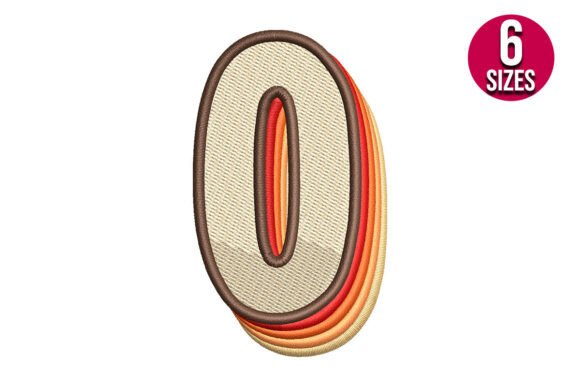
The appeal of the number zero in this context lies in its versatility and symbolic weight. Whether representing a team jersey, marking a milestone anniversary, or serving as a stylistic element in home decor, the zero is a fundamental component of numerical expression. However, standard flat fonts often lack the visual impact required to make a project truly stand out. The Retro Layered Number 0 Embroidery Design addresses this by incorporating a stacked architecture that mimics the look of retro signage and mid-century graphic design. By utilizing a sophisticated gradient of tan, orange, and brown threads, the design achieves a warm, earthy palette that resonates with current interior and fashion trends favoring organic and nostalgic tones.
The Artistry Behind the 3D Layered Effect
To appreciate the value of this embroidery pattern, one must understand the technical artistry involved in creating a convincing 3D effect on a two-dimensional medium. Traditional machine embroidery relies on stitch density and direction to create texture. The Retro Number Zero takes this further by employing a multi-layered approach. Each layer of the number is carefully offset and colored to simulate shadow and depth. This technique requires precise digitizing to ensure that the layers align perfectly during the stitching process, preventing gaps or overlaps that could detract from the final appearance.
The color selection plays a critical role in enhancing this dimensional illusion. The transition from deep browns to vibrant oranges and soft tans is not random; it is calculated to mimic lighting effects. The darker tones recede, creating the impression of shadow, while the lighter, warmer tones advance, giving the number a popped-out appearance. This gradient effect adds a level of sophistication that single-color designs simply cannot achieve. It transforms a simple numeral into a textured artwork that invites closer inspection.
Versatility Across Multiple Applications
One of the strongest advantages of the Retro Layered Number 0 design is its adaptability. Because it comes in six included sizes, it can be scaled to fit a wide variety of projects without losing clarity or structural integrity. This scalability is crucial for creators who work across different mediums. Below are several practical applications where this design excels:
- Personalized Apparel: On jackets, hoodies, and denim vests, the bold 3D look of the number zero serves as a striking focal point. It is ideal for sports teams, family reunions, or custom streetwear brands looking to evoke a vintage vibe.
- Home Decor Accents: Throw pillows, wall hangings, and table runners benefit from the tactile quality of the layered stitches. The earthy color palette blends seamlessly with bohemian, rustic, or mid-century modern interior styles.
- Custom Gifts and Accessories: Tote bags, backpacks, and caps can be elevated with this design. Adding a significant year, such as "2020" or "1970," using this font style creates a memorable keepsake that feels both personal and professionally crafted.
- Educational Tools: For educators creating tactile learning materials, the raised texture of the embroidery can help young learners recognize numbers through touch, adding a sensory dimension to early math education.
The ability to use this design across such diverse categories makes it a valuable asset in any digital embroidery library. It bridges the gap between functional labeling and decorative art, allowing users to infuse everyday items with a sense of style and history.
Technical Compatibility and File Formats
For machine embroidery enthusiasts, compatibility is often a primary concern. A beautifully designed pattern is useless if it cannot be read by the user’s specific machine. The Retro Number Zero embroidery design is engineered to overcome this hurdle by including multiple file formats. This inclusivity ensures that whether you are using a Brother, Janome, Singer, Husqvarna, or Bernina machine, the design will load and stitch correctly.
The inclusion of various formats also speaks to the professionalism of the digitizer. Different machines interpret stitch data differently, and having optimized files for each major brand reduces the risk of thread breaks, needle jumps, or design distortion. This attention to technical detail saves time and material costs, allowing creators to focus on the creative aspects of their projects rather than troubleshooting software issues. Furthermore, the design is optimized for stability, meaning it maintains its shape even on stretchy fabrics like knits or delicate materials like silk, provided appropriate stabilizers are used.
Implementing the Design: Best Practices for Success
While the design itself is robust, achieving the best results requires adherence to certain best practices in machine embroidery. The 3D layered effect relies on precise tension and proper hooping. Here are some considerations to ensure your Retro Number Zero project turns out perfectly:
- Stabilizer Selection: Given the density of the layered stitches, a cut-away stabilizer is recommended for stretchy fabrics to prevent puckering. For woven fabrics, a tear-away stabilizer may suffice, but testing is always advised.
- Thread Quality: To fully realize the gradient effect, use high-quality rayon or polyester threads that have a consistent sheen. Cheap threads may break under the density of the 3D layers or fail to reflect light uniformly, diminishing the visual impact.
- Needle Choice: Use an embroidery needle appropriate for the fabric weight. A size 75/11 or 90/14 needle is typically suitable for most medium-weight fabrics. Ensure the needle is fresh to prevent snagging the multiple layers of thread.
- Hooping Technique: Proper hooping is essential for alignment. Since the design features stacked layers, any shift in the fabric during stitching will misalign the 3D effect. Double-check that the fabric is drum-tight in the hoop before starting.
By following these guidelines, users can maximize the potential of the Retro Layered Number 0 design. The result is a professional-looking finish that enhances the perceived value of the final product.
The Cultural Resonance of Vintage Typography
Beyond its technical merits, the popularity of the Retro Number Zero reflects a broader cultural trend. There is a growing appreciation for vintage typography and design elements from the 1960s and 1970s. This era was characterized by bold colors, experimental fonts, and a sense of optimism that resonates with contemporary audiences seeking comfort and familiarity. By incorporating this design into modern projects, creators tap into this emotional connection.
The use of tan, orange, and brown is particularly significant. These colors were staples of mid-century design and have made a strong comeback in recent years. They evoke warmth, reliability, and a connection to nature. When applied to the structured form of the number zero, they create a harmonious blend of order and organic feel. This makes the design not just visually appealing but emotionally engaging, adding depth to the storytelling aspect of any customized item.
Conclusion: A Timeless Addition to Your Creative Toolkit
The Retro Number Zero embroidery design represents more than just a digital file; it is a tool for creative expression that bridges past and present. Its unique layered structure, combined with a carefully curated color palette, offers a distinct aesthetic that sets it apart from standard fonts. Whether you are a professional looking to expand your product line or a hobbyist seeking to add a personal touch to your gifts, this design provides the flexibility and quality needed to succeed.
By understanding the technical requirements and exploring the diverse applications of this pattern, users can unlock new possibilities in their embroidery projects. The Retro Layered Number 0 is a testament to the enduring power of vintage charm, reimagined through the precision of modern machine embroidery. It invites creators to experiment, personalize, and elevate their work, ensuring that every stitch tells a story of style and substance.