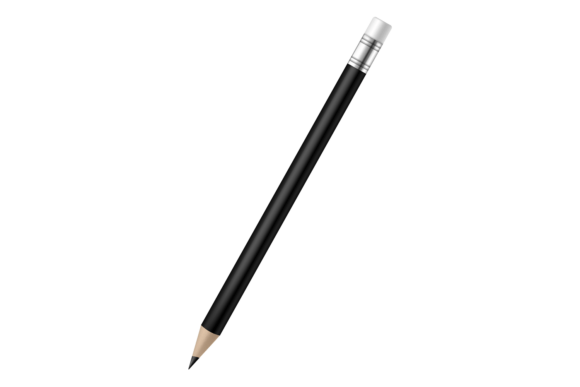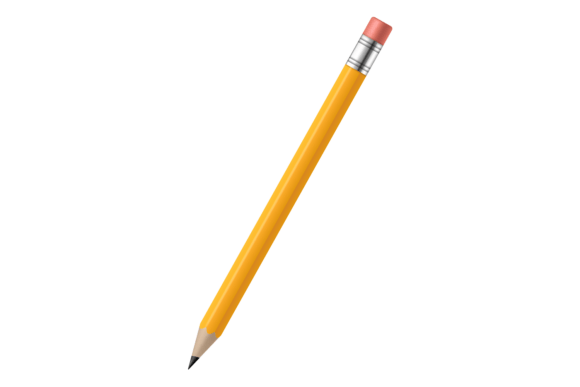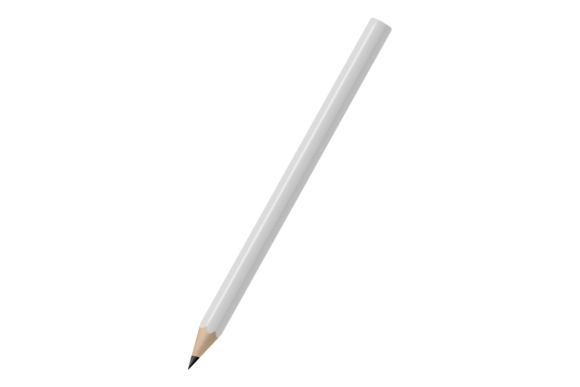
Elevating Visual Identity with a Pencil Mockup: Realistic White Wooden Graphite Design
In the digital age, where visual communication often precedes verbal interaction, the quality of your assets can determine the success of a project. Whether you are a graphic designer presenting a new brand identity, an educator creating engaging learning materials, or an entrepreneur launching a stationery line, the need for high-fidelity visuals is universal. This is where the concept of a Pencil Mockup. Realistic White Wooden Gr becomes an indispensable tool in your creative arsenal. It is not merely a static image; it is a bridge between abstract ideas and tangible reality, allowing creators to showcase their work with precision and professionalism.
The demand for authentic, high-resolution mockups has surged as remote work and digital portfolios become the norm. Clients and audiences no longer accept flat, two-dimensional representations when they can experience the texture, lighting, and context of a product through sophisticated 3D rendering. A realistic white wooden graphite object for drawing and writing serves as a perfect canvas for demonstrating creativity while maintaining a clean, minimalist aesthetic that appeals to modern sensibilities.
The Evolution of Digital Presentation Standards
Historically, showcasing a design meant printing it out or displaying it on a screen without context. Today, user expectations have shifted dramatically. We live in an era of hyper-realism, where the line between photography and computer-generated imagery (CGI) is increasingly blurred. The transition from simple clip art to complex, isolated illustrations like the Pencil mockup. Realistic white wooden graphite object for drawing and writing, school office stationery, creative artist tool, design vector 3d isolated on background illustration EPS, JPG reflects this broader market preference for authenticity.
This evolution is driven by several factors. First, the proliferation of high-resolution displays means that imperfections in low-quality assets are immediately visible. Second, the rise of social media platforms like Instagram and Pinterest has conditioned users to appreciate aesthetically pleasing, curated content. A generic icon no longer suffices; audiences crave the tactile feel of wood grain, the subtle shadow cast by a graphite tip, and the pristine condition of a new eraser. These details convey quality and attention to detail, traits that viewers subconsciously associate with the brand or creator behind the image.
Furthermore, the workflow of modern creatives has changed. Designers are expected to deliver faster turnaround times without compromising quality. Using pre-rendered, high-quality mockups allows professionals to bypass the time-consuming process of setting up physical photoshoots, adjusting lighting, and editing photographs. Instead, they can focus on the core design elements, inserting their artwork into a ready-made, photorealistic environment.
Why Realism Matters in Creative and Business Contexts
For businesses, particularly those in the education and office supply sectors, the visual representation of products is critical. A realistic white wooden graphite object does more than just show what a pencil looks like; it evokes the experience of using one. It suggests smoothness, precision, and reliability. When potential customers see a high-quality mockup, they are better able to imagine the product in their own hands, which can significantly influence purchasing decisions.
Consider the perspective of a freelance illustrator pitching to a major publisher. Presenting a sketch on a plain white background may fail to capture the imagination. However, placing that same sketch within a context featuring a creative artist tool rendered in 3D isolation adds depth and narrative. It signals that the illustrator understands presentation and values the final output’s impact. This level of professionalism can be the differentiator in competitive bidding processes.
Similarly, educators and bloggers benefit from these assets by enhancing the readability and appeal of their materials. A tutorial on handwriting techniques becomes more engaging when accompanied by images that clearly show the angle of the pencil and the texture of the paper. The clarity provided by a design vector 3d isolated on background illustration ensures that the focus remains on the instructional content rather than distracting background noise.
Versatility Across Formats: EPS and JPG
One of the most practical aspects of modern mockup resources is their availability in multiple formats, specifically EPS and JPG. Understanding when to use each format is crucial for maximizing efficiency and quality.
- JPG (Joint Photographic Experts Group): This format is ideal for web use, social media posts, and quick previews. A high-resolution JPG of a pencil mockup offers immediate visual impact with manageable file sizes. It is perfect for bloggers who need to load images quickly or marketers who are creating email campaigns where large file attachments might be problematic.
- EPS (Encapsulated PostScript): For designers who require scalability and editability, EPS is the superior choice. As a vector-based format, it allows for infinite scaling without loss of quality. This is essential for large-format printing, such as banners or packaging designs, where pixelation would be unacceptable. Additionally, EPS files often allow designers to adjust colors, shadows, and layers, providing greater control over the final appearance of the school office stationery representation.
Having access to both formats ensures that the asset is versatile enough to meet diverse needs, from a small thumbnail on a website to a large print advertisement in a magazine.
Integrating Mockups into Modern Workflows
To fully leverage the benefits of a Pencil Mockup. Realistic White Wooden Gr, it is important to integrate these tools seamlessly into your existing workflow. Here are some practical recommendations for different user groups:
- For Graphic Designers: Use layer masks in software like Adobe Photoshop to insert your designs onto the pencil body. Pay attention to lighting directions to ensure your added graphics blend naturally with the 3D render. Experiment with blending modes to mimic the texture of wood or graphite.
- For Educators: Incorporate these images into digital worksheets and presentations. The clean, isolated nature of the background makes it easy to overlay text or other graphical elements without clutter. Use the pencil imagery to highlight key points or guide the viewer’s eye through the content.
- For E-commerce Sellers: If you sell custom stationery, use these mockups to create lifestyle images without the cost of physical prototypes. Show your logo or pattern on the pencil to give customers a realistic preview of the final product. This reduces return rates and increases customer confidence.
- For Content Creators: Use these assets in blog headers and social media graphics to maintain a consistent visual theme. The neutral white wood tone pairs well with various color palettes, making it a flexible choice for branding.
The Future of Asset Creation and Usage
As technology continues to advance, we can expect even greater realism and interactivity in mockup tools. Augmented reality (AR) may soon allow users to visualize these creative artist tools in their actual physical environment through smartphone cameras. However, the fundamental principle remains unchanged: the need for high-quality, realistic representations of everyday objects.
The shift towards sustainability and minimalism also influences design trends. The white wooden aesthetic aligns with eco-friendly branding, suggesting natural materials and simplicity. This resonates with consumers who are increasingly conscious of environmental impact and prefer brands that reflect these values. By choosing mockups that emphasize natural textures and clean lines, creators can subtly communicate these messages to their audience.
In conclusion, the Pencil mockup. Realistic white wooden graphite object for drawing and writing, school office stationery, creative artist tool, design vector 3d isolated on background illustration EPS, JPG is more than just a digital file. It is a strategic asset that enhances communication, builds trust, and elevates the perceived value of creative work. By understanding its relevance and integrating it effectively into your projects, you can meet the high standards of today’s digital landscape while preparing for the evolving expectations of tomorrow.