Mastering Visual Impact with a Building Facade Sign Mockup
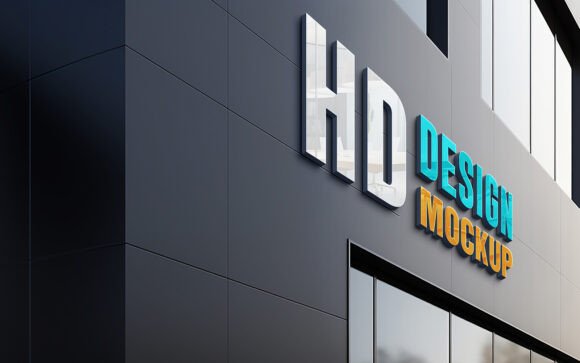
In the competitive landscape of modern branding, the physical presence of a business is just as critical as its digital footprint. For architects, graphic designers, and business owners, visualizing how a logo or signage will appear on an actual structure is a pivotal step in the design process. This is where the utility of a Building Facade Sign Mockup becomes indispensable. It bridges the gap between abstract digital concepts and tangible reality, allowing creators to present their ideas with unprecedented clarity and professionalism.
The evolution of design tools has shifted from static, two-dimensional presentations to dynamic, three-dimensional simulations. By utilizing high-quality mockups, professionals can demonstrate not just the design itself, but how it interacts with light, shadow, texture, and the surrounding environment. This level of detail is crucial for securing client approval, guiding construction teams, and ensuring that the final installed product meets aesthetic expectations.
The Strategic Value of Realistic Visualization
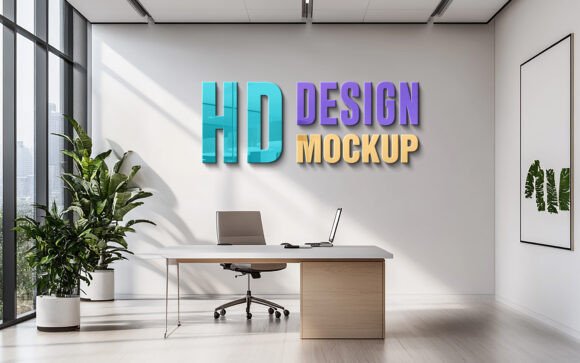
When presenting a new brand identity or architectural feature, context is everything. A logo displayed on a plain white background lacks the environmental cues that help stakeholders understand scale and impact. A Building Facade Sign Mockup provides this context by placing the design onto a realistic building surface. This approach offers several strategic advantages:
- Enhanced Client Communication: Clients often struggle to visualize how a flat design translates to a large-scale physical object. A realistic mockup eliminates ambiguity, showing exactly how the sign will look from street level or a distance.
- Error Reduction: By simulating lighting conditions and material textures, designers can identify potential issues such as poor contrast, illegible fonts at a distance, or clashing colors before any physical production begins.
- Professional Credibility: Presenting work through high-fidelity 3D renderings demonstrates a high level of expertise and attention to detail, fostering trust and confidence in the designer’s capabilities.
These benefits are not limited to large corporations. Small business owners, interior designers, and freelance creators also leverage these tools to elevate their portfolios and pitch decks. The ability to show a "finished" product before it exists physically is a powerful persuasive tool in any creative negotiation.
Technical Features That Drive Efficiency
The effectiveness of a mockup lies in its technical construction. Modern templates, particularly those built for Adobe Photoshop, are engineered for ease of use without sacrificing quality. A premium Building Facade Sign Mockup typically includes smart object functionality, which is the cornerstone of efficient workflow integration.
Smart objects allow users to replace placeholder designs with their own logos or text instantly. Once the user imports their artwork into the designated smart object layer, the software automatically applies the necessary transformations. This includes perspective distortion, blending modes, and most importantly, realistic shadow and lighting effects. This automation means that no advanced 3D modeling skills are required to achieve a photorealistic result.
Key technical specifications often include:
- High Resolution: Files are usually provided at 300 DPI, ensuring that the output is crisp and suitable for both high-resolution digital displays and print materials.
- Layer Organization: Well-structured PSD files feature clearly labeled folders and layers. This organization allows users to toggle visibility, adjust background elements, or fine-tune specific aspects of the scene without disrupting the overall composition.
- Editable Elements: Beyond the logo itself, many mockups allow for adjustments to ambient lighting, color tones, and background saturation. This flexibility ensures that the mockup can be adapted to match specific brand guidelines or time-of-day scenarios.
The inclusion of both PSD and JPG formats in a pack provides versatility. The PSD file is essential for editing, while the high-quality JPG serves as a quick preview or a ready-to-use asset for social media teasers and initial concept discussions.
Diverse Applications Across Industries
The versatility of a Building Facade Sign Mockup extends across various sectors. While initially associated with corporate branding, its applications have expanded to include retail, hospitality, real estate, and even residential projects.
Corporate and Office Branding
For corporate entities, the facade of a headquarters or regional office is a statement of identity. Designers use these mockups to test different material finishes, such as metallic, acrylic, or illuminated channel letters. By visualizing the sign against glass, concrete, or brick facades, companies can ensure their branding aligns with their architectural values. A corporate mockup helps in deciding between subtle, debossed effects for a luxury feel or bold, colorful displays for a more vibrant brand personality.
Retail and Hospitality
In the retail and hospitality sectors, curb appeal drives foot traffic. A restaurant or boutique hotel needs signage that is not only visible but also inviting. Using a realistic logo mockup, designers can experiment with lighting effects to see how the sign appears at night. This is crucial for businesses that operate heavily in the evening hours. The ability to simulate neon glows, backlit panels, or spotlights helps in creating an atmosphere that attracts customers before they even enter the premises.
Real Estate and Development
Property developers and real estate agents utilize these tools to market unfinished properties. By superimposing proposed signage onto images of building shells or renderings, they can sell the vision of a completed project to investors and potential tenants. This building logo mockup technique helps in pre-leasing commercial spaces by giving prospective businesses a clear idea of their visibility and branding opportunities within the development.
Workflow Integration for Designers
Integrating a mockup into a professional workflow is straightforward but requires a systematic approach to maximize efficiency. The process generally begins with selecting the right angle and lighting scenario that matches the client’s environment. Once the appropriate Building Facade Sign Mockup is opened in Photoshop, the user navigates to the smart object layer.
After placing the custom logo or text, it is vital to check the alignment and scale. Although the smart object handles perspective automatically, manual tweaks may be necessary to ensure the design sits naturally on the surface. Designers should pay close attention to the interaction between the sign and the building’s texture. For instance, a rough stone facade will interact differently with light than a smooth glass panel. Adjusting the opacity or blending modes can help achieve a more seamless integration.
Furthermore, considering the surrounding environment is key. If the building is located in a busy urban area, the mockup might need to account for visual clutter. Conversely, a standalone structure in a suburban setting allows for a cleaner, more prominent display. These contextual considerations enhance the realism and relevance of the presentation.
Considerations for Optimal Results
While mockups are powerful tools, they are only as effective as the input provided. To achieve the best results, designers should ensure their source files are high-quality vectors or high-resolution raster images. Low-resolution logos will appear pixelated when scaled up to fit a large facade, undermining the professionalism of the presentation.
Additionally, understanding the physical constraints of real-world signage is important. Even though a mockup allows for unlimited creative freedom, practical factors such as local zoning laws, structural support requirements, and maintenance accessibility should inform the design choices. A mockup can serve as a starting point for discussions with engineers and fabricators, ensuring that the envisioned design is not only aesthetically pleasing but also feasible to construct.
Finally, keeping the file organized is crucial for future edits. As projects evolve, clients may request changes to colors, fonts, or positioning. A well-layered PSD file allows for quick iterations, saving time and reducing frustration. By maintaining a clean workspace, designers can respond rapidly to feedback, keeping the project momentum strong.
In conclusion, the Building Facade Sign Mockup is more than just a digital template; it is a vital communication tool that enhances understanding, reduces risk, and elevates the perceived value of design work. By leveraging these resources, professionals across various industries can bring their visions to life with precision and confidence, ensuring that every sign tells the right story before it is ever manufactured.