Ghost 3D SVG Multilayer Paper Cut Files for Spooky Wall Art
There is a distinct thrill in transforming flat materials into something that seems to breathe with depth and shadow. When you work with Ghost 3D SVG Multilayer Paper Cut Files, you are not just cutting shapes; you are engineering an atmosphere. This design approach moves beyond the standard two-dimensional vinyl decals or simple paper silhouettes, offering a tactile experience that captures light and creates genuine mystery. For crafters who want their Halloween decor to feel curated rather than store-bought, these multilayered files provide the architectural blueprint for stunning visual impact.
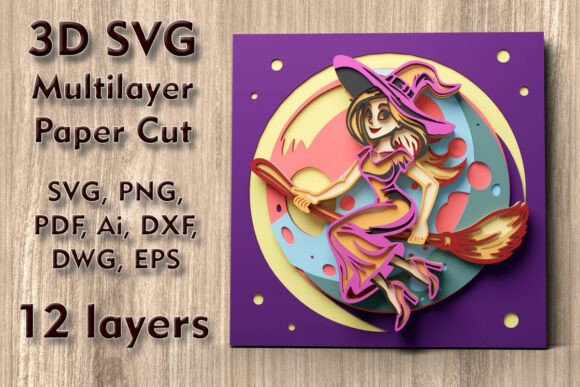
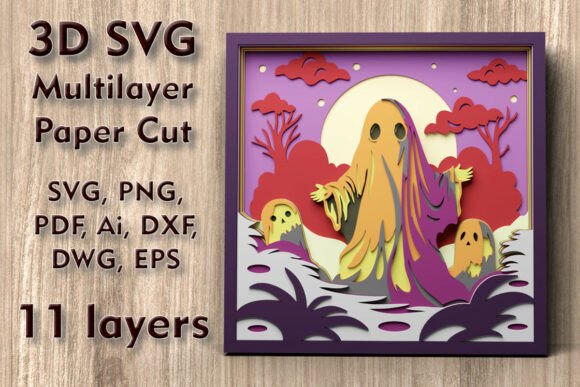
The concept is deceptively simple yet technically rewarding. By stacking eleven distinct layers, you create a gradient of depth that mimics the way fog rolls over a graveyard or how spirits might manifest in a dimly lit hallway. Whether you are using a Cricut, Silhouette, Glowforge, or a CNC router, the process allows you to customize the scale and material to fit your specific space. The result is a piece of art that changes as the viewer moves around it, revealing new details in the shadows that were hidden from a direct frontal view.
Transforming Living Spaces with Haunted Elegance
One of the most compelling uses for this design is in residential interior styling. Many homeowners struggle to find Halloween decorations that feel sophisticated enough for a living room or entryway. Plastic pumpkins and rubber spiders often clash with modern or minimalist aesthetics. A Ghost 3D SVG Multilayer Paper Cut File solves this by acting as a piece of sculptural wall art. When framed in a deep shadow box, the layered ghost design becomes a focal point that complements contemporary decor while still delivering seasonal spirit.
Consider the entryway. This is the first impression guests have of your home. A large-scale version of this design, cut from black cardstock or matte white paper, can be mounted behind glass in a floating frame. The eleven layers create a tunnel effect, drawing the eye inward. If you prefer a more subtle approach, using translucent vellum for the inner layers and opaque cardstock for the outer frames can create a ghostly diffusion of light when placed near a window or a backlight source. This technique turns a static image into a dynamic interaction with natural light throughout the day.
Material Choices and Their Impact on Mood
The versatility of these files lies in their compatibility with various materials. While paper and cardstock are the traditional choices for papercutting, exploring other mediums can drastically alter the final vibe of your project. The design supports plywood, MDF, wood, acrylic, cardboard, and even aluminum. Each material brings its own narrative to the table.
- Paper and Cardstock: Ideal for intricate detail and affordability. Black paper against a white background offers high contrast, perfect for a classic spooky look. Pastel papers can soften the theme for a "friendly ghost" aesthetic suitable for children’s rooms.
- Wood and Plywood: Using a laser cutter to slice through thin plywood adds warmth and texture. Stained wood layers create a rustic, haunted cabin feel. The natural grain of the wood adds organic variation that makes each piece unique.
- Acrylic: For a modern, eerie glow, clear or frosted acrylic layers can be stacked. When backlit with LED strips, the ghost appears to float in mid-air. This is particularly effective for party decorations where ambient lighting plays a key role.
- MDF and Aluminum: These durable materials are suited for outdoor installations or high-traffic areas. They withstand humidity and handling better than paper, making them ideal for porch decor or commercial displays.
It is important to note that the original design size is 270mm x 270mm (approximately 10.63 inches square). This is a manageable size for most home crafting machines. However, scalability is a key feature. You can easily increase the dimensions for a statement wall piece. Conversely, if you plan to reduce the size, proceed with caution. The design includes thin elements that may become fragile or impossible to weed if scaled down too aggressively. Always test cut a small section if you are experimenting with non-standard sizes or delicate materials like thin aluminum.
Crafting for Events and Commercial Use
Beyond home decor, these files are invaluable for event planners and small business owners. Halloween parties thrive on immersive environments. Instead of buying generic banners, you can create custom centerpieces using the Ghost 3D SVG Multilayer Paper Cut Files. By cutting the layers from colored cardstock that matches your party theme—perhaps deep purples, oranges, and greens—you can create cohesive table settings that double as favors. Guests often appreciate handmade items, and a small, framed layer of the ghost design can serve as a memorable keepsake.
For photographers and content creators, this design offers a versatile prop. The depth of the layers creates excellent opportunities for macro photography. The interplay of light and shadow provides natural framing for product shots or portrait backgrounds. A photographer might use a large wooden version as a backdrop for autumn-themed family portraits, adding a touch of whimsy without overwhelming the subjects. Similarly, boutique owners can use these designs in window displays to draw attention during the October rush. The tactile nature of the 3D cutouts invites passersby to stop and look closer, increasing foot traffic and engagement.
Technical Considerations for Success
Working with eleven layers requires patience and precision. The file package typically includes SVG, DXF, DWG, EPS, AI, PNG, and PDF formats, ensuring compatibility with almost any design software or cutting machine. Before you begin cutting, take time to organize your workspace. Label each layer clearly, as mixing up the order can disrupt the intended depth effect. The layers are designed to stack sequentially, with each subsequent layer slightly smaller or offset to create the 3D illusion.
If you are using a digital cutting machine like a Cricut or Silhouette, ensure your blade is sharp. Dull blades can tear cardstock or leave jagged edges on wood veneer, which detracts from the clean lines essential for this style. For laser cutters, focus on power and speed settings to minimize charring, especially on light-colored woods or papers. A clean cut ensures that the layers sit flush against each other, maintaining the structural integrity of the shadow box.
Assembly is where the magic happens. Use acid-free glue or double-sided foam tape for paper projects to prevent warping over time. Foam tape is particularly useful as it adds physical depth between layers, enhancing the shadow effect even further. For wood or acrylic, strong adhesives like E6000 or specialized craft glues work best. Allow ample drying time between steps to avoid shifting. Once assembled, sealing the piece in a deep frame protects it from dust and damage, preserving your hard work for years to come.
Unlocking Creative Potential
The Ghost 3D SVG Multilayer Paper Cut Files are more than just a Halloween craft; they are a gateway to understanding spatial design and layering techniques. Whether you are a beginner looking to try your first multilayer project or an experienced maker seeking efficient, high-impact designs, this file offers a balanced challenge. It encourages experimentation with materials, lighting, and scale. By integrating this design into your creative toolkit, you unlock the ability to produce professional-grade decor that resonates emotionally with viewers. It is about creating a moment of wonder, a slight chill, and a lasting impression through the simple yet profound act of layering light and shadow.