Mastering the Art of Floral Cutting Board Sublimation Design
Transforming a standard kitchen tool into a piece of functional art requires more than just a high-quality printer and a heat press. When you explore the world of Floral Cutting Board Sublimation Design, you are stepping into a niche where aesthetics meet durability. Many creators rush into this process, assuming that any pretty image will translate well onto a polymer-coated surface. However, the difference between a product that sells instantly and one that gathers dust often lies in the technical execution and design selection. Understanding the nuances of this craft is essential for anyone looking to create professional-grade home decor or expand their small business inventory.
The Allure of Elegant 3D Aesthetics
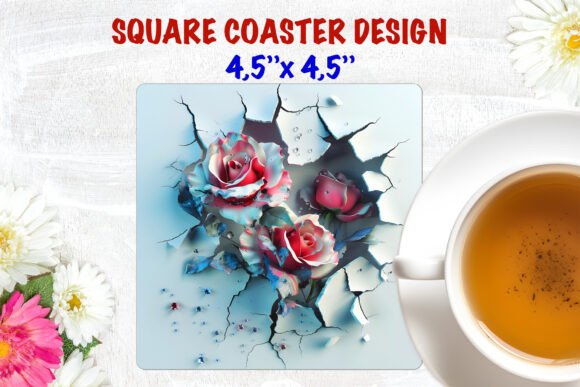
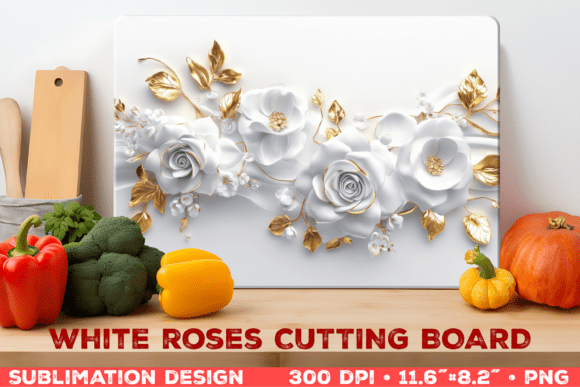
Consumers are increasingly drawn to items that offer visual depth and luxury. This is why designs featuring intricate ivory and gold roses with metallic accents have become so popular. The appeal of an Elegant 3D Floral Cutting Board Sublimation Design lies in its ability to mimic high-end materials like marble or porcelain without the fragility. When executed correctly, the soft light reflections and ultra-realistic elegance create a sophisticated focal point in modern kitchens.
However, achieving this look is not as simple as downloading a stock photo. The "3D" effect in sublimation is an illusion created through shading, highlights, and perspective. If the source image lacks proper contrast or resolution, the final product will look flat and muddy. Creators must prioritize designs that specifically account for the glossy finish of the cutting board, ensuring that the golden leaves and pearls appear to sit atop the surface rather than being printed underneath it.
Common Pitfalls in Design Selection and Preparation
One of the most frequent mistakes beginners make is ignoring the aspect ratio and bleed requirements of the specific blank they are using. A floral design that looks perfect on a square template may get cropped awkwardly on a rectangular board, cutting off crucial elements like the tips of rose petals or delicate golden leaves. This oversight affects the overall balance and artistic aesthetic of the piece.
Another critical error involves color management. Sublimation ink behaves differently on paper than it does on a coated substrate. Colors often shift during the heat transfer process. A vibrant gold in your digital file might turn out brassy or dull if not calibrated correctly. Furthermore, many entrepreneurs overlook the importance of background transparency. Using a white background instead of a transparent PNG can result in visible white halos around the floral elements, ruining the seamless, luxurious look you aim to achieve.
Material Compatibility and Surface Quality
Not all cutting boards are created equal. A common misunderstanding is that any white, hard surface can be sublimated. In reality, the board must have a specialized polymer coating designed to accept sublimation ink. Using uncoated wood, glass, or standard plastic will result in ink wiping right off after the first wash. Even among coated boards, quality varies. Cheaper blanks may have uneven coatings, leading to patchy color absorption where the ivory roses appear streaked rather than smooth.
To avoid this, always test a new batch of blanks with a control print before committing to a large production run. Check for consistency in the white base; any yellowing or grayness in the blank will distort the delicate ivory tones of your floral design, making the final product look aged or dirty rather than refined.
Technical Execution: Heat, Time, and Pressure
The application process is where many good designs fail. Sublimation requires precise control over three variables: temperature, time, and pressure. Too much heat can scorch the polymer coating, causing yellowing that clashes with the elegant ivory theme. Too little pressure results in ghosting, where the image appears blurry or doubled because the transfer paper shifted during the press cycle.
For intricate designs with fine details like metallic accents and pearls, consistent pressure is vital. If the heat press platen is not perfectly parallel to the board, edges may receive less pressure, leading to faded areas. A practical tip is to use high-temperature resistant tape to secure the transfer paper firmly on all sides. Additionally, ensure your heat press is calibrated regularly. An inaccurate thermometer can lead to inconsistent results across different batches, affecting your brand’s reputation for quality.
Enhancing Durability and Usability
While sublimated cutting boards are beautiful, they are primarily decorative. A significant mistake marketers make is promoting them as heavy-duty chopping surfaces. Sublimation ink sits within the top layer of the polymer coating. Aggressive knife work will scratch and degrade the image over time. To manage customer expectations and ensure satisfaction, clearly communicate that these items are best suited for serving cheese, charcuterie, or bread, rather than raw meat preparation.
To extend the life of the design, advise customers to hand wash the boards with mild soap and avoid abrasive scrubbers. Dishwashers expose the boards to high heat and harsh detergents that can accelerate fading. By providing clear care instructions, you enhance the perceived value of the product and reduce return rates due to premature wear.
Strategic Sourcing and Evaluation
When sourcing designs or creating your own, focus on uniqueness. The market is saturated with generic floral patterns. To stand out, look for designs that incorporate specific trends, such as the combination of ivory gold roses with metallic accents. These elements add a layer of sophistication that appeals to buyers looking for gift-worthy items. Evaluate potential designs by zooming in to 100% on your screen. If the details look pixelated or the colors look unnatural at this level, they will not improve during printing.
Consider the target audience. Adults aged 20–50, particularly those interested in home decor and entertaining, appreciate attention to detail. They are likely to notice if the golden leaves lack definition or if the pearls look like flat white dots. Investing in high-resolution, professionally crafted assets pays off in the form of higher perceived value and better sales performance.
Final Checks Before Production
Before you hit print, perform a final review. Check the mirror image setting on your printer driver; sublimation requires mirrored prints. Verify that your color profile matches your printer and ink set. Ensure the design is centered correctly on the template, accounting for any handles or cutouts on the physical board. Take a moment to visualize the final product in a real-world setting. Does the elegant 3D floral design complement the intended environment? Is the scale appropriate?
By addressing these technical and aesthetic considerations, you move beyond simple crafting into professional product creation. The goal is to produce items that not only look stunning but also withstand the test of time and use. With careful attention to detail, your Floral Cutting Board Sublimation Design projects can become a standout addition to any creative portfolio or retail lineup, offering customers a touch of luxury for their daily lives.