Creating Depth and Atmosphere with Halloween 3D Layered Papercut SVG Designs
The intersection of traditional paper crafting and modern digital fabrication has opened new avenues for seasonal decoration. Among the most visually striking trends in this space is the use of layered papercut designs, particularly those tailored for Halloween. A Halloween 3D Layered Papercut SVG Design offers more than just a flat image; it provides a blueprint for creating depth, shadow, and narrative within a single frame. For creators, small business owners, and serious hobbyists, understanding how to leverage these files can significantly elevate the quality of handmade goods, from greeting cards to complex wall art.
These designs are not merely decorative assets; they are functional tools that bridge the gap between digital precision and tactile artistry. By utilizing multiple layers of cardstock or paper, crafters can achieve a three-dimensional effect that mimics professional shadow boxes. This article examines the practical applications, technical specifications, and strategic value of incorporating these layered designs into your creative workflow.
Understanding the Mechanics of Layered Paper Art
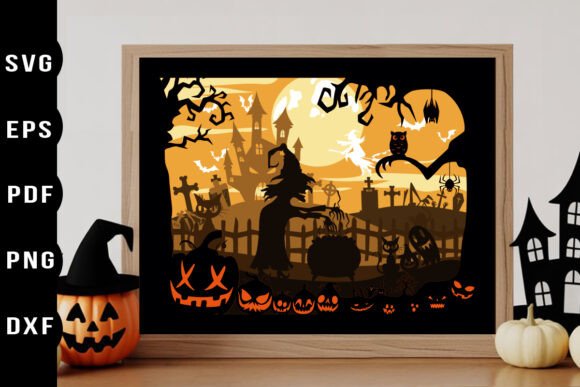
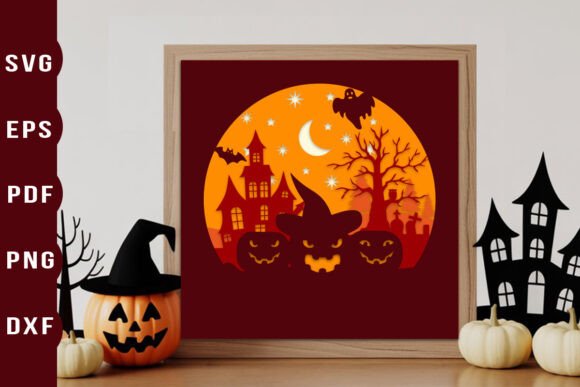
At its core, a 3D layered papercut design relies on the principle of parallax and shadow play. Unlike standard vector cut files that produce a single silhouette, a layered design consists of several distinct elements stacked upon one another. Each layer represents a different plane of depth. In a typical Halloween-themed composition, the foreground might feature intricate details like spiderwebs or bats, while the background establishes the setting, such as a haunted house or a full moon.
The effectiveness of a Halloween 3D Layered Papercut SVG Design depends heavily on the separation of these layers. High-quality files ensure that each element is cleanly separated, allowing for precise cutting without excessive weeding time. When assembled, the gaps between layers create natural shadows, enhancing the perception of depth. This technique transforms a simple piece of paper into a dynamic visual experience that changes depending on the viewing angle and lighting conditions.
Technical Specifications and File Versatility
For any digital asset to be useful in a professional or semi-professional context, its technical robustness is paramount. A well-constructed SVG package should offer flexibility across various platforms and skill levels. The ideal file set includes not only SVGs but also EPS, AI, PNG, and PDF formats. This diversity ensures compatibility with a wide range of cutting machines, including Cricut, Silhouette, and Brother ScanNCut devices.
- SVG Files: These are the standard for most consumer cutting machines. Look for files where layers are colored black and separated logically, allowing the software to recognize each cut line distinctly.
- EPS and AI Files: Essential for users working with Adobe Illustrator or CorelDRAW. These fully editable vector formats allow designers to modify shapes, adjust anchor points, or resize elements without losing resolution.
- PNG Files: High-resolution images, typically 5000×5000 pixels at 300 DPI with transparent backgrounds, are crucial for digital mockups, sublimation printing, or clients who prefer hand-cutting guides.
- PDF Files: Often overlooked, PDFs with colored contours and flipped layers are invaluable for manual crafters. They provide a clear visual guide for assembling the pieces by hand, ensuring that the orientation of each layer is correct.
The inclusion of printable versions for hand-cutting is a significant advantage. It expands the audience beyond machine owners to include educators, classroom settings, and individuals who enjoy the meditative process of manual cutting. Furthermore, scalable vectors ensure that the design maintains its integrity whether used for a small gift tag or a large-scale wall installation.
Practical Applications for Creators and Businesses
The versatility of a Halloween 3D Layered Papercut SVG Design makes it a valuable asset for various commercial and personal projects. For small business owners specializing in handmade goods, these designs can be adapted into high-margin products. Shadow boxes, for instance, are popular home décor items that command higher prices due to their complexity and visual appeal. By using pre-designed layered SVGs, artisans can reduce design time while maintaining a professional aesthetic.
Greeting cards represent another lucrative application. A multi-layered card front adds a tactile luxury that mass-produced cards lack. Similarly, these designs can be incorporated into lanterns, where backlighting enhances the silhouette effect, creating an eerie ambiance perfect for Halloween parties. Educators and community organizers can use simplified versions of these designs for workshop activities, teaching participants about geometry, layering, and patience.
Marketers and bloggers can also leverage these assets for content creation. High-quality PNGs from the file package can be used in social media graphics, email newsletters, or blog headers to maintain a cohesive seasonal theme. The ability to edit vector files allows for customization, enabling brands to integrate their logos or specific color palettes into the Halloween motif.
Evaluating Quality and Usability
When selecting a Halloween 3D Layered Papercut SVG Design, several factors determine its practical value. Resolution is critical; files should be high enough to support detailed cutting without jagged edges. A resolution of 5000×5000 pixels ensures that even intricate details remain sharp when scaled. Additionally, the organization of layers within the file affects usability. Well-named layers and logical grouping save time during the setup phase in cutting software.
Another consideration is the complexity of the design. While highly detailed files offer stunning results, they may require advanced skills to weed and assemble. Beginners might struggle with fragile connections or tiny pieces. Therefore, it is beneficial to choose designs that balance intricacy with structural integrity. Some providers offer "contour flipped" layers in their PDFs, which assist in visualizing the final assembly and reducing errors during the crafting process.
Reliability is also key. The files should be tested across different machines to ensure consistent performance. Compatibility issues, such as incorrect cut lines or missing nodes, can lead to material waste and frustration. A reputable design will have been optimized for common cutting blades and mats, minimizing the risk of tearing or shifting during the cut.
Who Benefits Most from These Designs?
This type of digital asset serves a broad demographic, but certain groups will find particular value in it. Professional crafters and Etsy sellers can streamline their production process by using ready-made, high-quality designs. Instead of spending hours creating original vector art, they can focus on assembly, marketing, and customer service. Freelance designers may use these files as base elements for larger custom projects, modifying them to meet specific client briefs.
Educators and parents looking for engaging, screen-free activities will appreciate the hand-cutting options. The process of layering paper teaches spatial awareness and fine motor skills. Meanwhile, interior design enthusiasts can use these designs to create temporary, non-damaging wall art that adds seasonal flair without permanent commitment.
Limitations and Considerations
Despite their advantages, layered papercut designs have limitations. They require specific materials, such as heavyweight cardstock, to maintain structural rigidity. Thin paper may sag or fail to hold the 3D shape. Additionally, the assembly process can be time-consuming, requiring adhesives like foam tape or glue dots to create the necessary spacing between layers. This labor intensity means that these projects are not suitable for rapid, high-volume production unless automated assembly methods are developed.
Lighting also plays a crucial role. Without proper illumination, the depth effect may be lost. Crafters must consider how the final piece will be displayed, potentially incorporating LED strips or framing techniques that enhance shadow play. Finally, while SVGs are scalable, extremely large prints may reveal the limitations of paper as a medium, requiring reinforcement or alternative materials.
Final Thoughts on Integrating Layered Designs
Incorporating a Halloween 3D Layered Papercut SVG Design into your creative toolkit offers a blend of artistic satisfaction and practical utility. It allows for the creation of sophisticated, professional-looking decor with accessible tools. Whether you are producing items for sale, designing educational materials, or enhancing your home environment, these files provide a structured yet flexible foundation. By paying attention to file quality, material selection, and assembly techniques, you can maximize the impact of your Halloween crafts, delivering results that are both visually compelling and technically sound.